
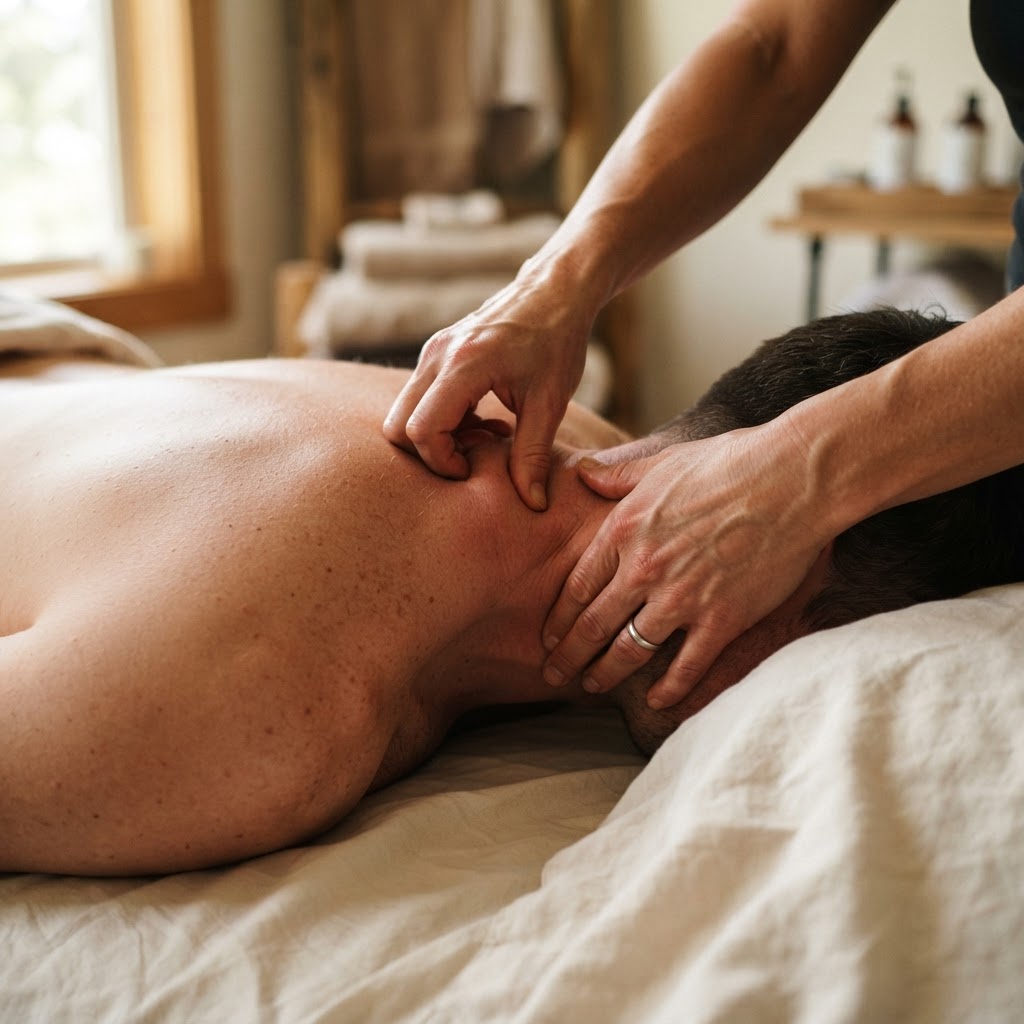
The Technique
About the technique.
A whole-body approach to bodywork developed over 35 years, focused on creating the conditions that support the body's natural capacity for recovery.
The method
What is MyoReformation?
Myo — relating to muscles, from Greek mus/mu-: literally "mouse," for the way muscles move under the skin.
Reformation — re-modelling, renovation, adjustment, rehabilitation, betterment.
MyoReformation is a whole-body approach to bodywork that works with the muscular system to support structural alignment, improve blood flow, and enhance lymphatic function.
The technique consists of a series of precise movements applied to the entire muscle structure of the body, from head to toe, designed to address compensation patterns that may have developed over time.
Unlike treatments that focus on isolated symptoms, MyoReformation works with the understanding that the body functions as an integrated system.
How we think
Philosophy
"I'd rather be honestly uncertain than confidently wrong."
— Jono Goosen, MyoReformation UK
We believe in approaching bodywork with intellectual humility. The human body is extraordinarily complex, and while we observe meaningful changes in our clients, we remain curious about the mechanisms involved.
Observe carefully
Document what we see without overclaiming. Correlation isn't causation.
Stay curious
Ask questions rather than assert certainties. The body is extraordinarily complex.
Collaborate
Work with healthcare professionals, not against the medical system.
Refer appropriately
Know our scope. When something is outside it, we send you on.
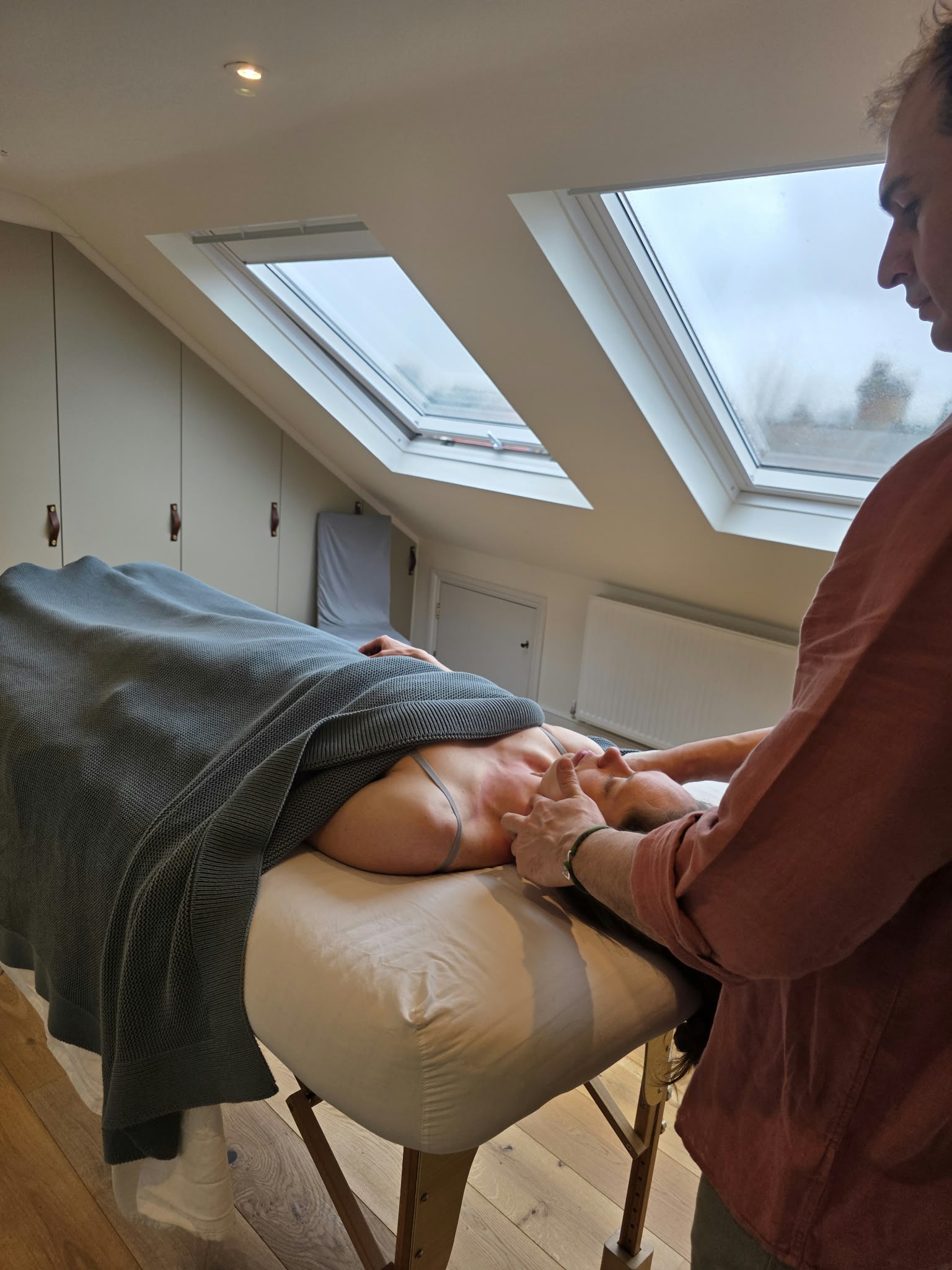
From Zimbabwe to the world.
Born in Zimbabwe
Developed by Jacquie Simpson after her own recovery from a severe spinal injury — refined through years of clinical practice in Harare.
Zambia
The method travelled beyond Zimbabwe as early practitioners began working with clients and communities across the region.
South Africa
Practice deepened across South Africa, with more practitioners trained and the approach adapted to a wider spectrum of conditions.
United Kingdom
Brought to the UK with the trademark established and a commitment to British professional standards and FHT-aligned training.
A growing profession
Building an evidence base, training practitioners to UK standards, and collaborating with healthcare professionals.
Other countries
The method continues to spread — with growing interest from practitioners and communities in new countries.
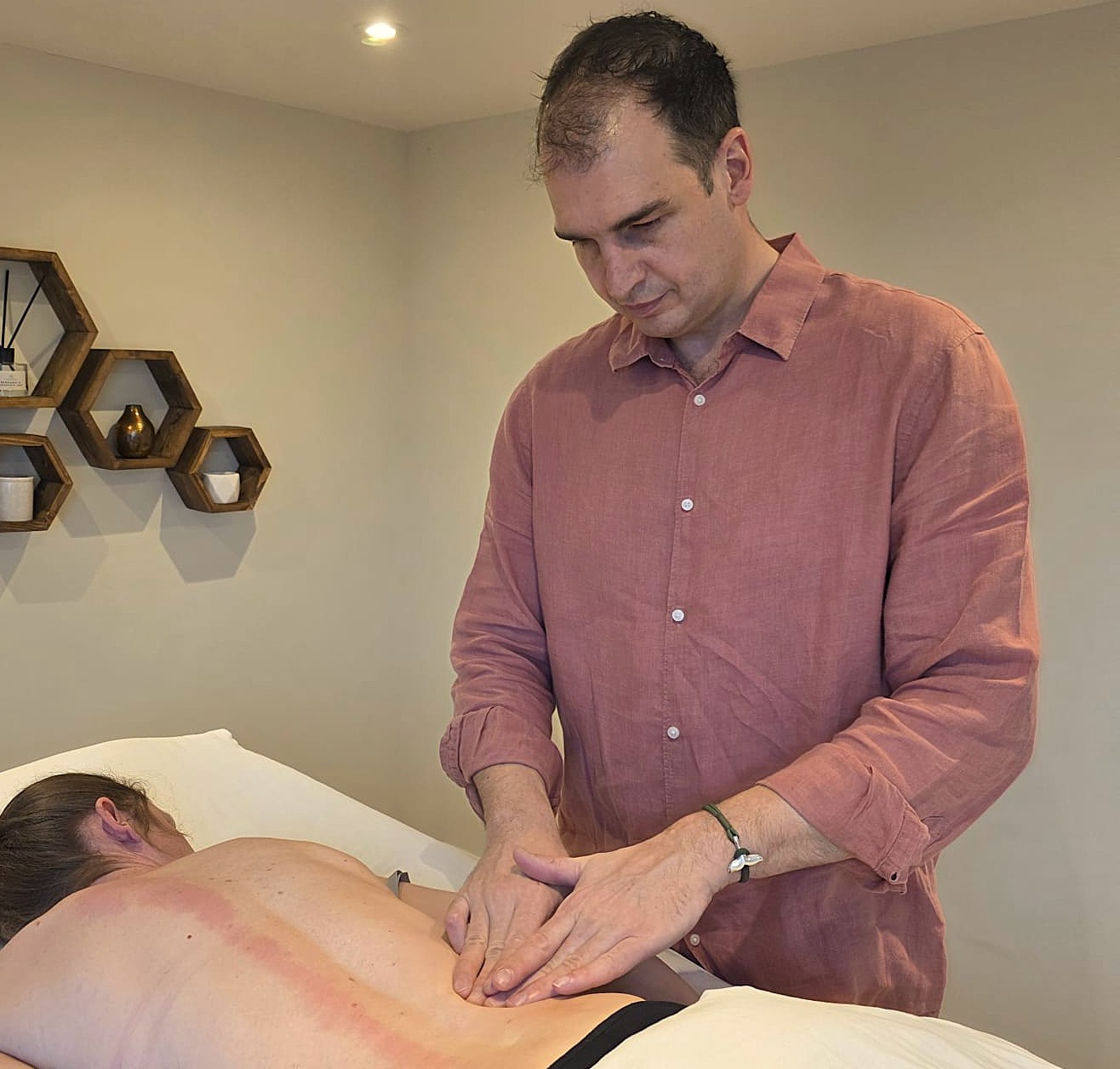
How it works
How the technique works.
Whole-body treatment
Every session addresses the entire body, not just the area of complaint. Pain in one area often connects to patterns elsewhere.
Working with muscles
The technique works with the muscular system that supports and holds the skeletal structure.
Supporting flow
Aims to support the flow of blood, oxygen, and lymphatic fluids throughout the body.
Your visit
What to expect
Initial consultation
A conversation about your history, concerns, and what you're hoping to address.
Full-body treatment
Each session is approximately one hour, working through the entire muscular system.
Initial series
We typically recommend a minimum of three treatments a few days apart when starting.
Aftercare
We'll discuss what to expect and how to support your body's response.
Frequently asked questions
Is MyoReformation painful?
The technique can range from comfortable to intense depending on the area. Practitioners work within your tolerance.
How many sessions will I need?
This varies. We typically recommend starting with a minimum of three sessions.
Is this a massage?
While it involves manual work, MyoReformation uses specific movements on muscle attachments rather than general tissue manipulation.
Is this evidence-based?
We have clinical observations and case studies, but not yet formal research trials. We're actively working to build an evidence base.