
Evidence & Case Studies
Building an evidence base, honestly.
We're building an evidence base with intellectual honesty. Here's what we know, what we observe, and what we're still learning.
An honest assessment
"I'd rather be honestly uncertain than confidently wrong."
We believe in being transparent about where we are:
What we have
Clinical observations across nearly a decade of practice, documented case studies, and client testimonials.
What we don't have
Formal research trials, peer-reviewed publications, or randomised controlled studies specific to MyoReformation.
What we're doing
Seeking research collaboration, improving documentation standards, and presenting at medical conferences to invite scrutiny and feedback.
What people tell us.
“I tried physio, a steroid injection, and a rhizotomy — none worked. The next step was spinal fusion. Then I found MyoReformation. I woke after one session free of neck pain.”
Our approach to documentation.
Observation without overclaiming
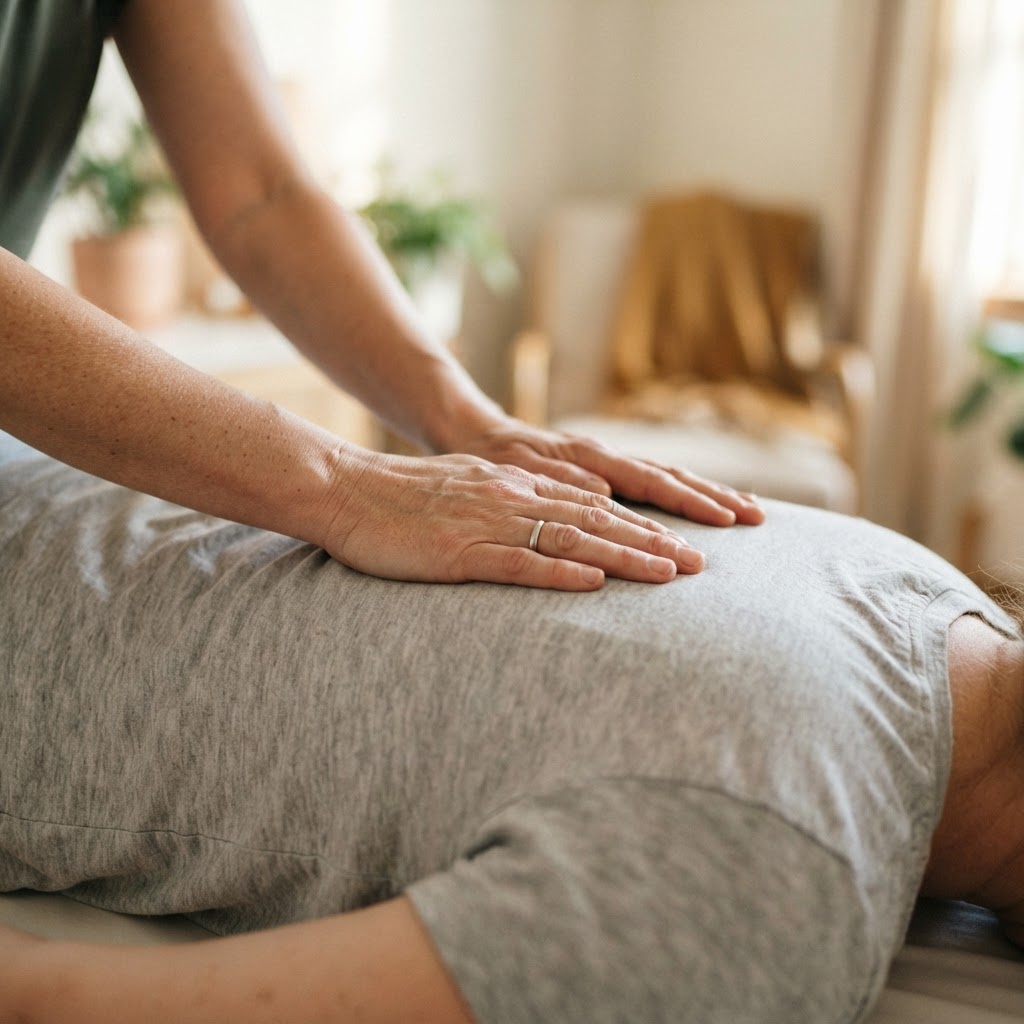
We document what we observe in clients, while acknowledging that correlation doesn't prove causation. Bodies change for many reasons.
Honest about limitations
We note when clients don't improve, or when improvement might be attributed to other factors. This honesty is essential for learning.
Seeking medical input
Where possible, we seek medical assessment of unusual observations. A client's subjective experience is valuable, but objective measurement adds clarity.

Building toward research
We're improving our documentation to support future research, and welcome collaboration with researchers interested in bodywork.
Selected case observations.
Disclaimer: the following are anonymised observations from clinical practice. They represent patterns we've observed, not claims of cure or treatment efficacy.
Long-term complex case: spinal cord injury client
Duration: 6+ years ongoing · Condition: Quadriplegic diagnosis
A client diagnosed as quadriplegic has been receiving regular MyoReformation sessions for over six years. During this time, we have observed improvements in quality of life and some functional changes we did not anticipate based on the original diagnosis.
Gradual improvements in functional capacity, quality of life indicators, and some movement in areas where none was previously possible.
The body's capacity for neuroplasticity and recovery is not fully understood. We cannot claim causation. We are seeking medical assessment to better document these observations.
This case raises questions about the limits we assume for recovery. Even if our technique is not the primary factor, the observation suggests these limits may be worth questioning.
Chronic pain resolution
Typical duration: 3–10 sessions · Pattern: Multiple clients
Multiple clients presenting with chronic pain (back, neck, shoulder) have reported significant reduction or resolution of symptoms after a series of MyoReformation sessions.
Pain reduction often occurs alongside improvements in mobility and posture. Many clients report lasting changes rather than temporary relief.
Pain is complex and influenced by many factors including psychological state, lifestyle changes, and natural healing. Some clients do not experience significant improvement.
Post-surgical recovery support
Pattern: Multiple clients · Various surgical procedures
Clients recovering from various surgical procedures (orthopaedic, abdominal) have reported that MyoReformation sessions supported their recovery process.
Clients often report improved mobility, reduced stiffness, and a better overall recovery trajectory when incorporating MyoReformation alongside standard rehabilitation.
Post-surgical recovery is heavily influenced by the surgery itself, standard rehabilitation, and individual healing capacity. We cannot isolate the contribution of MyoReformation.
10 February 2026
The Sepsis Patient Care Conference 2026
"Supporting Physical Recovery After Sepsis: A Practitioner's Questions"
This presentation explores how bodywork approaches might support post-sepsis recovery, framed as questions rather than claims — engaging with the medical community, inviting scrutiny, and seeking to learn.
Interested in research collaboration?
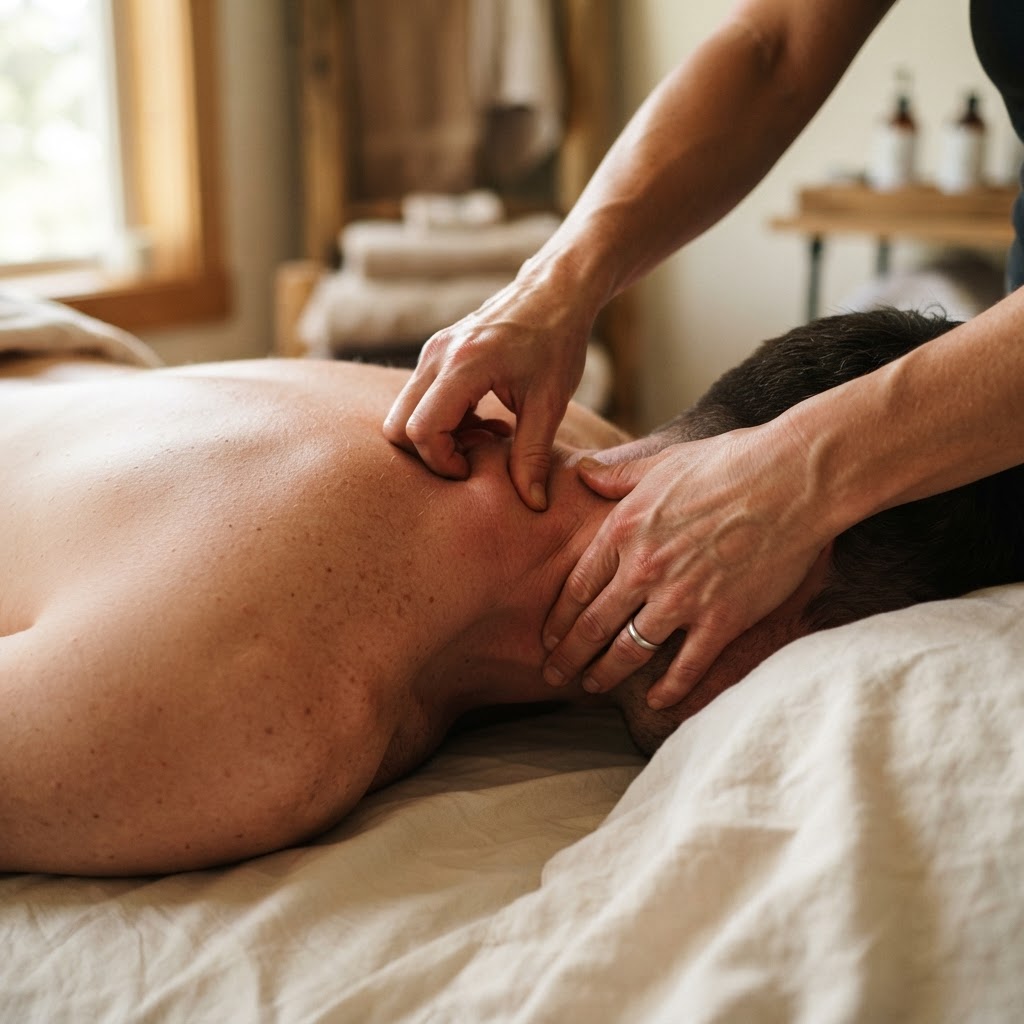
We're actively seeking researchers interested in investigating bodywork approaches — with access to clinical observations, willing practitioners, and a commitment to intellectual honesty.
Get in touch